How Different Classes Shape Your Everyday Carry Experience
Everyday carry (EDC) is more than just a collection of items in your pockets or bag. It reflects how you live, move, and solve problems daily. Thinking about EDC like an RPG character’s class helps us understand why people choose different gear and how those choices fit their lifestyles. Classes are not strict categories but examples that show how your lifestyle shapes your carry, and your carry shapes how you interact with the world.
This post explores how three distinct classes—the Urban Operator, the Minimalist, and the Adventurer—approach their EDC systems. By looking at how each class fills their gear slots, you can better design your own carry setup to fit your needs.
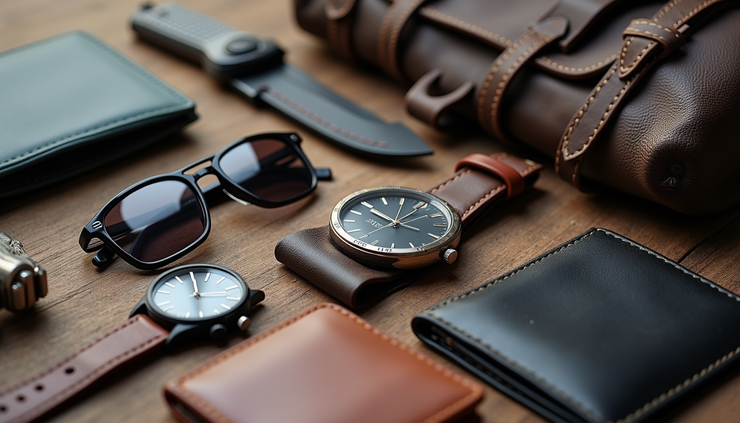
Understanding Classes and Slots in Everyday Carry
Classes give us a framework to think about EDC. They help us see that different people prioritize different tools and accessories based on their daily activities and environments. Slots provide structure by breaking down carry into specific places on the body or in a bag where items live. Combining classes and slots lets you see your EDC as a system, not just random objects.
Here are the common slots we consider:
Head slot: hats, glasses, sunglasses
Neck slot: necklaces, lanyards
Hand slot: rings, gloves
Wrist slot: watches, fitness bands
Waist slot: belts, clips
Pocket slots: knives, lights, wallets, phones, tools
Bag slot: backpacks, sling bags, totes
Each class fills these slots differently to support their unique lifestyle.
The Urban Operator’s Approach to Carry
Urban Operators live in fast-paced city environments. Their days involve commuting, working, and solving problems on the go. They need gear that supports speed, convenience, and a functional style that fits urban life.
How Urban Operators fill their slots:
Head slot: Sunglasses for walking and driving, hats for weather or identity
Neck slot: Simple chains or badge lanyards, sometimes nothing
Hand slot: Minimal rings, often just a wedding band or clean metal
Wrist slot: Smartwatch for transit updates, notifications, and time management
Waist slot: Slim, sturdy belt with possible clips for keys or badges
Pocket slots: Compact flashlight, earbuds, wallet, phone
Bag slot: Compact sling bag or laptop-friendly backpack
This setup supports a fluid daily routine. For example, the smartwatch keeps the Urban Operator on schedule, while the flashlight handle unexpected tasks. The bag carries essentials without slowing movement.
The Minimalist’s Focus on Restraint
Minimalists want the lightest carry possible. They choose only what they truly need, avoiding extras that add weight or clutter. Their EDC reflects intention and simplicity.
Minimalists fill their slots like this:
Head slot: One hat or pair of glasses worn daily
Neck slot: Usually empty or a single meaningful necklace
Hand slot: One ring or none at all
Wrist slot: One watch, fitness band, or bare wrist
Waist slot: Simple belt without attachments
Pocket slots: Wallet, phone, and one carefully chosen tool
Bag slot: Often no bag unless necessary
Minimalists focus on essentials. For example, they might carry a slim wallet with only ID and cards, a phone for communication, and a multi-tool that covers several functions. This approach reduces distractions and keeps them light on their feet.
The Adventurer’s Gear for Exploration
Adventurers spend time outdoors or in unpredictable environments. Their EDC needs to be versatile, durable, and ready for a variety of situations.
Adventurers organize their slots as follows:
Head slot: Durable hat or sunglasses for sun and weather protection
Neck slot: Paracord necklace or survival whistle
Hand slot: Rugged rings or gloves for protection
Wrist slot: Tough watch with GPS or altimeter
Waist slot: Heavy-duty belt with multiple attachment points
Pocket slots: Multi-tool, folding knife, flashlight, compass
Bag slot: Large backpack with compartments for gear like wallet, phone and supplies
This setup prepares Adventurers for challenges. For example, a GPS watch helps with navigation, while a multi-tool and flashlight cover repairs and emergencies. The bag carries extra layers, water, and food.
How to Use Classes to Build Your Own EDC
Thinking in classes helps you identify what matters most in your daily life. Use these steps to build your carry system:
Identify your class or mix of classes
Are you mostly an Urban Operator, a Minimalist, or an Adventurer? Maybe you combine elements of two or more.
List your essential slots
Which slots do you use daily? Which ones can you simplify or skip?
Choose gear that fits your lifestyle
Pick items that support your activities and environment. For example, if you bike to work, a compact light and a smartwatch with transit info might be key.
Test and adjust
Carry your setup for a week. Notice what you use and what feels unnecessary. Adjust accordingly.
Think of your EDC as a system
Each item should have a purpose and fit into your routine. Avoid random additions that don’t serve your lifestyle.
Final Thoughts on Everyday Carry Classes
Your everyday carry is a reflection of how you live and move through the world. Using classes like Urban Operator, Minimalist, and Adventurer gives you a clear way to think about your gear choices. Combining this with the idea of slots helps you build a carry system that works smoothly and supports your daily needs.
Start by identifying your lifestyle needs, then fill your slots with intentional gear. This approach turns your EDC from a random collection into a powerful, personal system that moves with you.


Comments